







Search Results for: Italian espresso extraction parameters
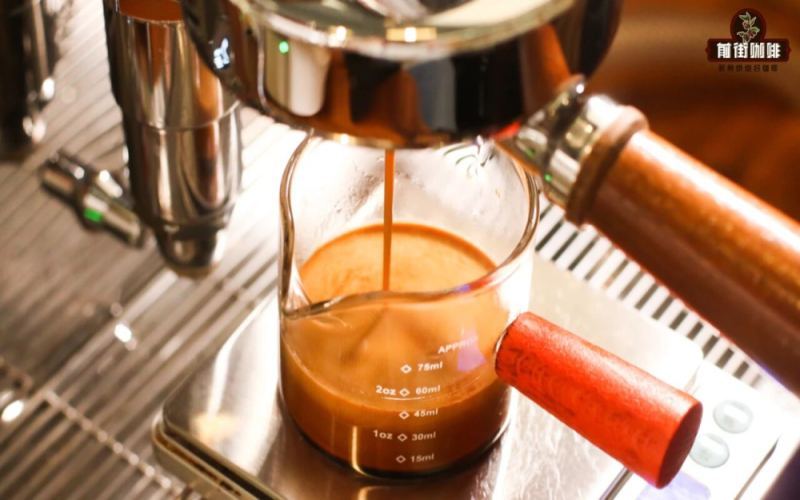
Which Italian espresso beans make Ristretto truly shine? Plus espresso extraction parameters and key operating points
Ristretto is often translated as "Italian extra-strength" or "Italian ristretto." It is the "restricted version" of Espresso, taking only the essence of the early extraction stage of concentrated coffee. The flavor is more concentrated, the bitterness is lower, and the body is fuller, so it is also often used by coffee shops as the base for a Flat White. To make a delicious Ristretto, bean selection and parameters are both indispensable: the beans must be fresh, and a medium-dark roasted Italian blend is best, so it can bring sufficient crema and caramelized aroma. This article will systematically sort out the approach to making Ristretto, from bean selection and the characteristics of Front Street Coffee's two Italian blends to the brew ratio, time, and flavor comparison, helping coffee lovers steadily reproduce a rich and clean Italian extra-strength at home. [more…]
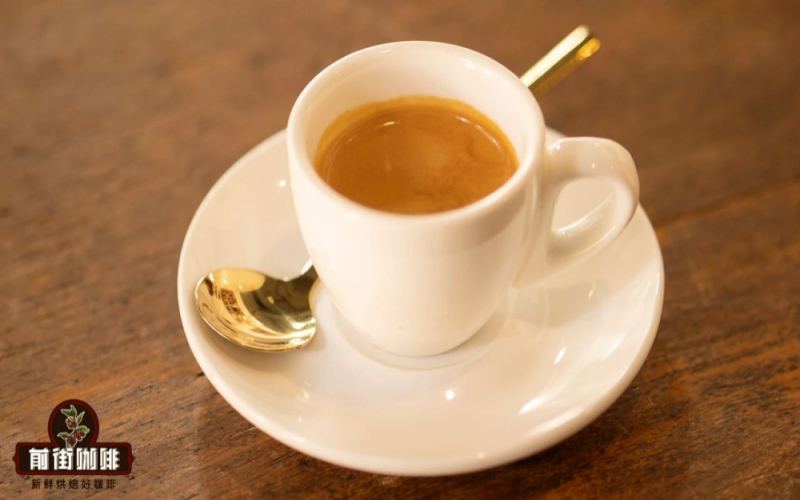
A Detailed Guide to Espresso Making Standards and Extraction Parameters, and a Buying Guide for Front Street Coffee's Espresso Blend Beans
As the soul of a café's offerings, espresso's preparation process and extraction standards have always been a focal point for coffee enthusiasts. Starting from international technical standards, this article will provide a detailed interpretation of how the six major extraction parameters—dose, ratio, time, flow rate, pressure, and water temperature—affect espresso flavor, helping readers understand how to make a proper Espresso. At the same time, the article will introduce several espresso blend coffee beans currently sold by Front Street Coffee, including Black Cocoa Blend, Specialty Blend, Commercial Blend, and Strawberry Candy Blend, covering specific recipes, flavor descriptions, and suitable applications. Finally, we will also remind everyone to pay attention to the roasting date and optimal flavor period when purchasing coffee beans, ensuring that every cup of coffee can present its best state. [more…]

The Complete Guide to Espresso: Definition, Extraction Parameters, and Italian Coffee Brewing
Espresso is the soul base of common Italian-style coffees such as Americano, latte, and mocha, and its quality directly affects the standard of a café's output. This article will start from the definition of Espresso and systematically explain the four key conditions required to make espresso—high pressure, high temperature, rapid extraction, and fine grinding—and, combining the standard parameters of the Specialty Coffee Association SCA with actual café production experience, explain in detail the extraction parameter ranges and operational details such as dose, liquid yield, time, and ratio. At the same time, it introduces the flavor performance of Front Street Coffee's Sunflower Warm Sun Blend and three cost-effective espresso blends, helping coffee lovers fully understand the extraction logic and tasting points of Espresso. [more…]
A Detailed Guide to the Espresso Extraction Process: From the Differences Between Americano and Italian Espresso to Methods for Making Various Coffee Drinks
Espresso is the core foundation of the Italian beverage system, from which Americano, latte, cappuccino, flat white, mocha, and others are all derived. Drawing on the hands-on experience of Front Street Coffee, this article sorts out the extraction principles and standard parameters of espresso, compares the historical origins and taste differences between Americano and Italian-style coffee, and introduces the recipe concepts and flavor orientations of Front Street's four Italian-style blend beans. At the same time, the article also provides a complete list of the seven steps for making espresso, along with specific recommendations for dose, liquid weight, time, and more, helping coffee enthusiasts understand the logic behind bar operations so they can more consistently produce a qualified cup of espresso at home or in a shop. [more…]

Espresso Explained in Full: Brewing Principles, Extraction Parameters, and an Overview of the Italian Coffee Family
Espresso is a rich coffee liquid extracted quickly under high pressure using an espresso machine, and it can be regarded as the cornerstone of the Italian coffee system. It has a history spanning over a century and has also given rise to many common café drinks such as latte, Americano, mocha, cappuccino, flat white, and Dirty. Starting from the practices at Front Street Coffee, this article will clearly explain the meaning and origin of Espresso, the logic behind choosing blended beans, the extraction parameters for single and double shots, and introduce one by one the various classic products based on espresso, helping coffee lovers systematically understand the intricacies behind this small cup of liquid. [more…]

Espresso Golden Cup Extraction | Are Italian coffee and espresso the same thing? What extraction parameters need to be adjusted to make Italian coffee?
For more specialty coffee knowledge, please follow our WeChat official account: Front Street Coffee (FrontStreet Coffee). When it comes to brewing coffee, many people like to ask how many grams of coffee grounds to use and what the coffee-to-water ratio should be. Ultimately, what people really care about is the extraction yield of the coffee. [more…]

Italian Espresso Flavor and Grind Setting Analysis: The Art of Extracting Traditional Italian Beans
Espresso is the essence of Italian coffee culture and the soul cornerstone of coffee shops worldwide. From the birth of the first espresso machine in 1884 to the revolution brought by the lever-style coffee machine in 1948 with crema, espresso has continuously evolved. This article will guide you through the flavor characteristics of Espresso, three extraction types (Ristretto, Normale, Lungo), and the roasting orientation of traditional Italian beans. At the same time, Front Street Coffee will share recommendations for classic blends and strawberry candy espresso, and provide a detailed explanation of how to extract a rich and aromatic Italian espresso using Front Street Dark Cocoa Blend, including key parameters such as dose, grind setting, and extraction time. [more…]
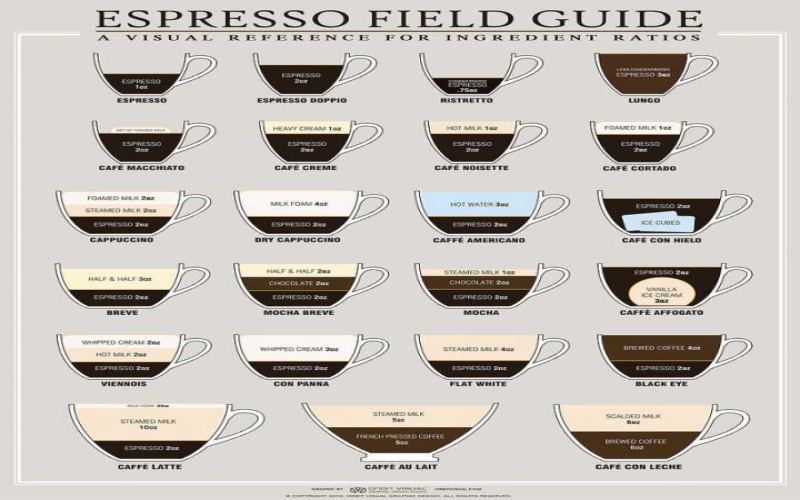
An Illustrated Guide to the Espresso Family: The Ratio Code of Milk and Espresso, and Front Street Coffee's Brewing Parameters
Latte, cappuccino, mocha, Americano, macchiato… Faced with the dazzling array of espresso drink names on a menu, many people feel confused: what exactly is the difference between them? The core difference often lies in the ratio of espresso to milk (or water, cream, chocolate). This article uses a single chart to walk you through the compositional logic of common espresso drinks, from the extraction principles of Espresso to how a moka pot works, and then to specific categories such as white coffee, latte, cappuccino, con panna, mocha, Viennese, and macchiato, explaining their ingredient combinations and flavor characteristics one by one. At the same time, it retains Front Street Coffee's actual parameters and blend bean information for espresso, Americano, latte, cappuccino, and other offerings, helping coffee lovers, on the basis of understanding proportions, more accurately choose or recreate the flavor they like. [more…]
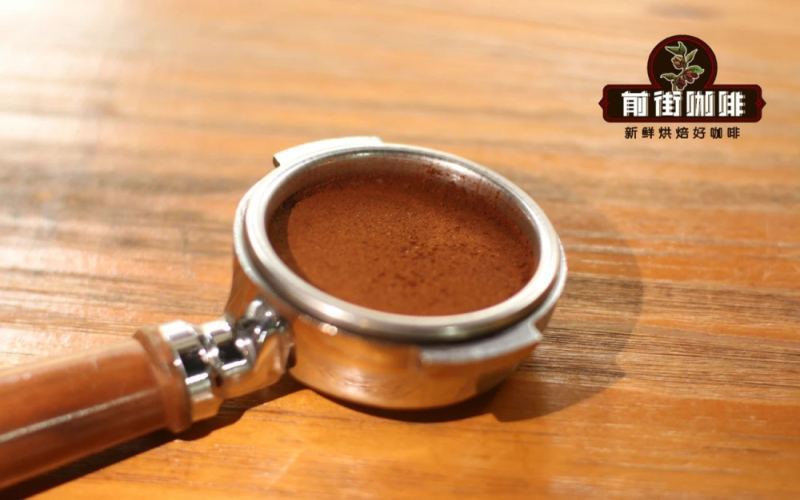
A Detailed Guide to Espresso Ratios: Single vs. Double Parameters, Extraction Steps, and Front Street Coffee Italian Bean Recommendations
Espresso is the foundation of the Italian coffee system, and its extraction ratio directly determines the quality of a cup of coffee. This article provides a detailed explanation of the dose, extraction time, liquid weight, and brew ratio for single and double espressos, while also introducing how to use the fill line of the filter basket and how to adjust the grind size. For different flavor needs, the article also outlines the recipes and flavor characteristics of several coffee beans, including Front Street Classic Espresso Blend, Strawberry Candy, Specialty Blend, Commercial Blend, and Dark Cocoa Blend. Using latte as an example, it explains the ratio of espresso to milk, milk frothing, and the key steps of integration and latte art, making it suitable for coffee enthusiasts who want to systematically understand the preparation parameters of espresso. [more…]

What's the difference between an Italian milk coffee and a French au lait? Can pour-over coffee actually be made with milk?
Milk coffee actually has Italian and French variations? This seemingly obscure topic actually hides a fundamental difference in coffee strength and mouthfeel. Italian milk coffee uses espresso as its base, with high strength and full flavor; French au lait, on the other hand, uses any black coffee with milk, offering a softer taste and a lighter burden. So can pour-over coffee actually have milk added? How much is appropriate? Starting from Front Street's actual brewing parameters, this article guides you through the essential differences between the two types of milk coffee and provides a specific recipe for café au lait. Whether you're an espresso enthusiast or a pour-over devotee, you'll find the cup that suits you. [more…]
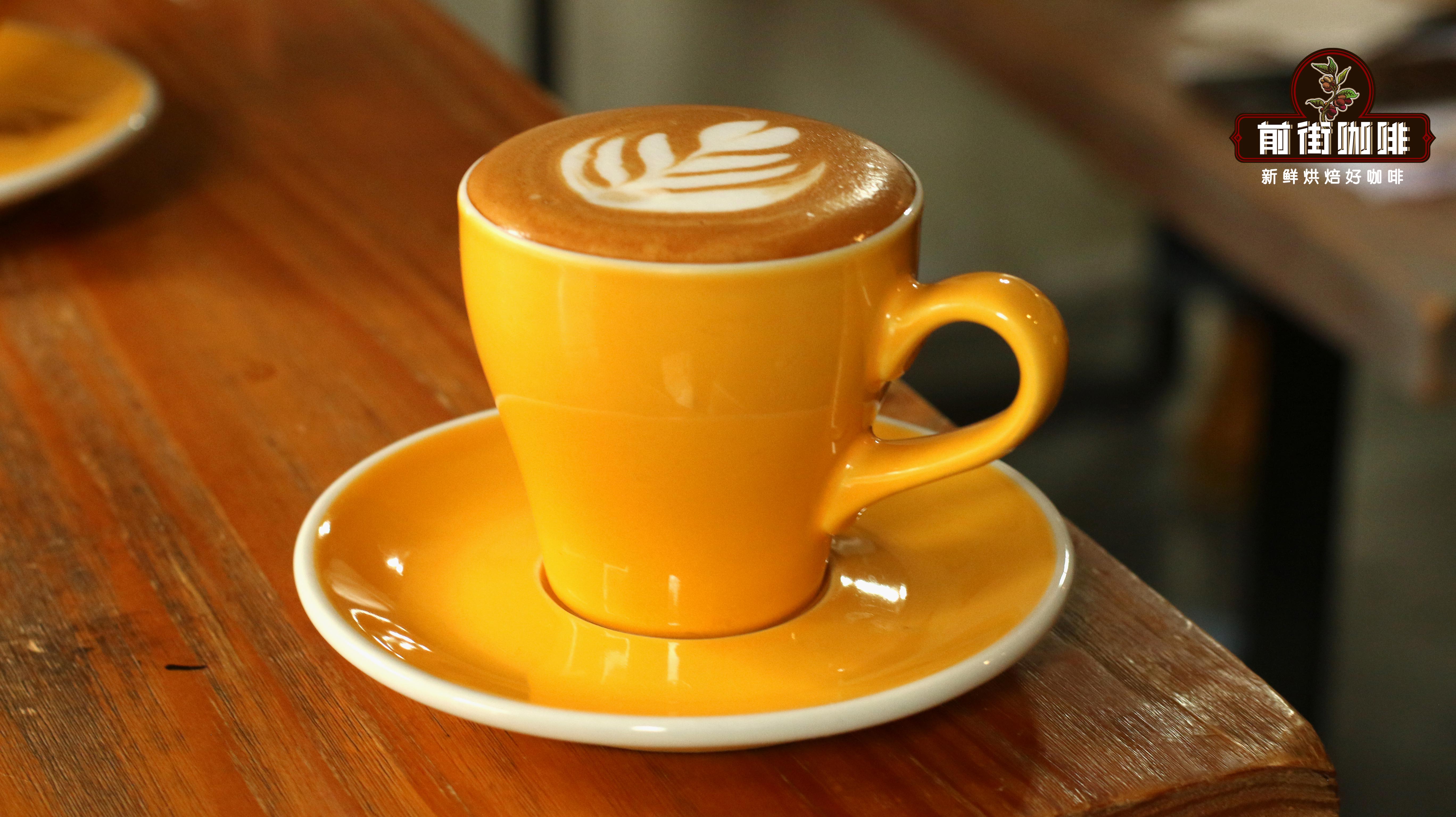
What's the difference between a latte and a cappuccino? A complete guide to the methods, ratios, and caffeine content of Italian milk coffees
Latte and cappuccino are the two most frequently ordered milk coffees on the Italian coffee menu. They share the same ingredients—espresso, milk, and milk foam—but their texture and ratios are quite particular. Drawing on Front Street Coffee's production experience, this article systematically sorts out the definitions of latte and cappuccino, their historical origins, the choice of espresso beans, extraction parameters, milk steaming temperature and foam thickness, as well as their respective recommended ratios and flavor performance. It also answers the common question of how much caffeine a latte contains, helping coffee lovers more clearly choose the Italian milk coffee that suits their taste. [more…]
Espresso Full Analysis: From Definition and Extraction Parameters to the Correct Way to Drink It
Espresso is the foundation of the entire Italian coffee system, and common drinks such as lattes, Americanos, and cappuccinos are all built upon it. This article begins with the definition of Espresso and the English origin of the word, guiding you to understand why it is so popular in Italy and why extracting a shot of espresso takes only a brief 30 seconds. It will also introduce in detail the key steps in making espresso, including grinding, dosing, distribution, and tamping, and provide Front Street's extraction parameter reference: extract 40 grams of coffee liquid from 20 grams of coffee grounds, with the time controlled at 25 to 30 seconds. The article will also analyze the flavor characteristics of espresso and its close relationship with coffee bean selection, and use Sunflower Warmth Italian-style coffee beans as an example to explain specific flavor performance. Finally, it shares the correct way to drink espresso, helping coffee enthusiasts appreciate this classic coffee more professionally. [more…]
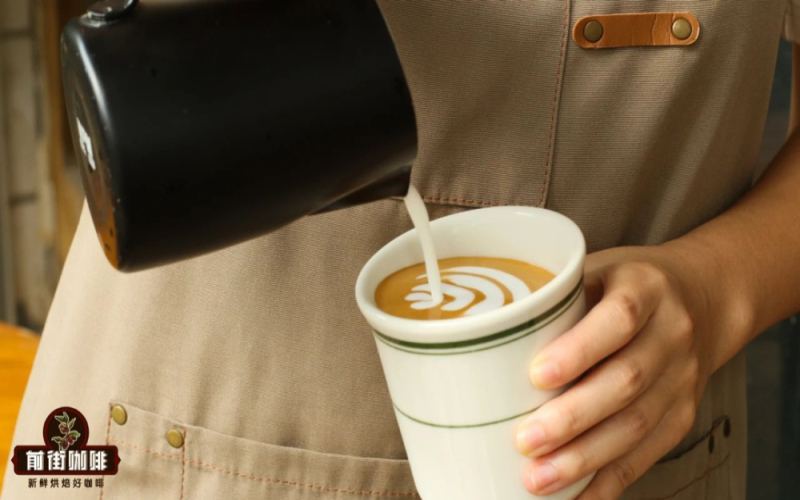
What Is Ristretto Espresso? Extraction Methods for Ristretto and Recommended Coffee Beans
Ristretto (Italian-style extra-concentrated coffee) is still relatively unfamiliar to many people. It is closely related to the everyday Espresso, yet it presents a more concentrated and more intense flavor profile. This article will introduce you to the meaning and characteristics of Ristretto, explain how it differs from regular espresso in terms of extraction, and present two mainstream methods for making Italian-style extra-concentrated coffee. At the same time, the article will also share ideas for choosing coffee beans suitable for making Ristretto, including two recommended products, Front Street Classic Blend and Front Street Dark Cocoa Blend, to help you better master the essence of this rich small cup of coffee. [more…]
Semi-Automatic Espresso Machine Operation Guide: From the Principles of Espresso Extraction to the Complete Process of Making Italian Coffee
Espresso is the foundation of all Italian-style drinks; americano, latte, cappuccino, flat white, and mocha are all derived from it. Starting from the actual store operations of Front Street Coffee, this article systematically sorts out the logic of using a semi-automatic espresso machine: first clarifying the high-pressure extraction principle of espresso, then comparing the historical origins and flavor differences between Italian and American styles, followed by a detailed explanation of the positioning of Front Street's four espresso blends, and finally providing core extraction parameters such as dose, yield, and time along with a seven-step operating procedure. Whether you are a beginner just getting started with a semi-automatic machine or a coffee enthusiast looking to optimize your output, you can find practical reference solutions here. [more…]
What kind of coffee dessert is Affogato? A complete tutorial on the authentic Italian method and espresso extraction
When you want both coffee and ice cream after a meal, Affogato satisfies both cravings perfectly. This classic Italian dessert looks simple to make, but behind it lie the differences between Italian gelato and American-style ice cream, the extraction parameters for espresso, and moka pot alternatives. This article starts with the definition of Affogato, explains gelato's characteristics in fat content, air content, and serving temperature, then presents common ways coffee shops serve it, and offers two home preparation paths using espresso and a moka pot. Finally, it includes Front Street Coffee's recommended blend beans and extraction advice, helping you make an Affogato at home with a texture close to tiramisu. [more…]
A Complete Guide to the Espresso Coffee Family: From Espresso to Specialty Drinks, Common Types and Brewing Methods Explained
In any coffee shop, espresso-based drinks are the star of the menu. Many people are startled by the intense bitterness of their first espresso, but the world of Italian-style coffee is far richer than one might imagine. From the basic espresso, to the Americano diluted with water, the latte and cappuccino blended with milk, and on to the fancy variations with chocolate or caramel, each one has its own unique recipe and flavor logic. This article systematically sorts through the most common types of Italian-style coffee found in cafés, analyzes their origins, ratios, and key preparation points, and shares Front Street Coffee's parameter plans from actual practice, to help coffee lovers find the cup that suits them. [more…]

An In-Depth Look at Espresso: Definition, Standard Extraction Parameters, and a Full Flavor Analysis of Four Front Street Coffee Blends
Although espresso does not have a particularly broad audience in China, it is a national-level beverage in Italy and the very soul of an Italian coffee. It is extracted quickly through high temperature and high pressure, topped with a golden layer of crema, and has a rich, full-bodied flavor. This article will provide a comprehensive analysis of the historical origins of espresso, the principles behind crema formation, standard extraction parameters, and the flavor characteristics of Front Street Coffee's four espresso blend coffee beans, helping coffee lovers understand how to adjust grind size, dose, and extraction time to make a stable and delicious shot of espresso. [more…]
Flat White Flavor Analysis: A Complete Guide to Italian Milk Coffee, from Ristretto to Australian White and Australian Coffee
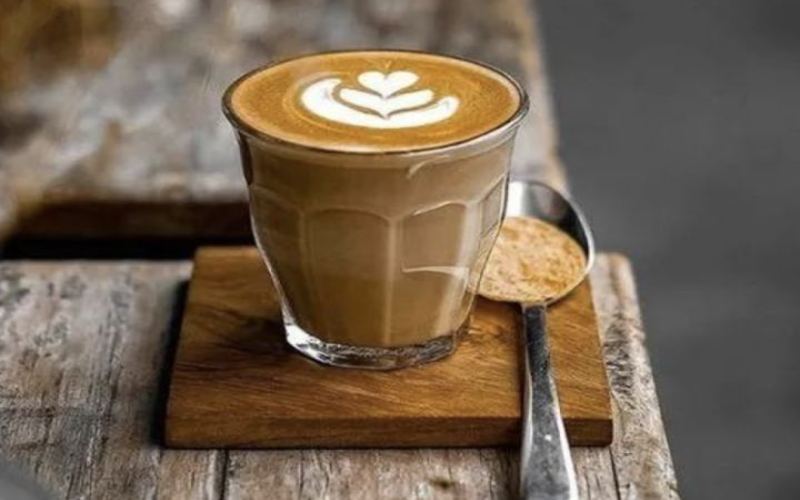
Flat White, Australian White, and Australian White—these names sound similar, yet they leave many coffee enthusiasts confused. Are they actually the same coffee? And what are the essential differences between them and a latte or cappuccino? In this article, Front Street Coffee (FrontStreet Coffee) will start from the production principles of Ristretto and systematically sort out the flavor characteristics of Flat White, its milk foam handling method, and its origin story in Australia. At the same time, we will also share how, in actual store operations, you can make an Australian White with a prominent coffee flavor and a smooth mouthfeel by adjusting extraction parameters and milk pouring techniques. Whether you want to understand its taste or want to clarify the distinctions among several types of espresso milk coffee, this article will give you clear answers. [more…]
Characteristics of Italian Espresso | How Many Types of Espresso Are There? How Can Coffee Beginners Learn to Extract Espresso?
For more specialty coffee knowledge, please follow: Front Street Coffee (Frontsteet Coffee) Italian espresso, also called Espresso, uses steam pressure to force scalding hot water through ground coffee, brewing a small, strong, and aromatic cup of pure black coffee topped with golden crema. [more…]
Flavor Characteristics and Tasting Methods of Espresso: From Traditional Italian Beans to an Analysis of Three Extraction Types
Espresso is the soul cornerstone of coffee shops worldwide. From Americanos and lattes to cappuccinos, none of them can do without this small cup of rich coffee liquid. This article starts with the historical origins of espresso, tracing the key evolution of Italian coffee machines from 1884 to 1948, and analyzes the formation logic of crema and the tradition of dark roasting. It also introduces in detail the differences in extraction parameters among the three types of espresso—Ristretto, Normale, and Lungo—and, combining the flavor characteristics of Front Street Classic Blend and Front Street Strawberry Candy Espresso, explains the scenarios for which traditional Italian-style beans and floral-fruity flavor profiles are each suited. Finally, using Front Street Dark Cocoa Blend as an example, it fully demonstrates the production process and tasting method for a cup of rich, full-bodied espresso. [more…]